Beef Liver and Beef Heart for Cats: Taurine and Safe Amounts
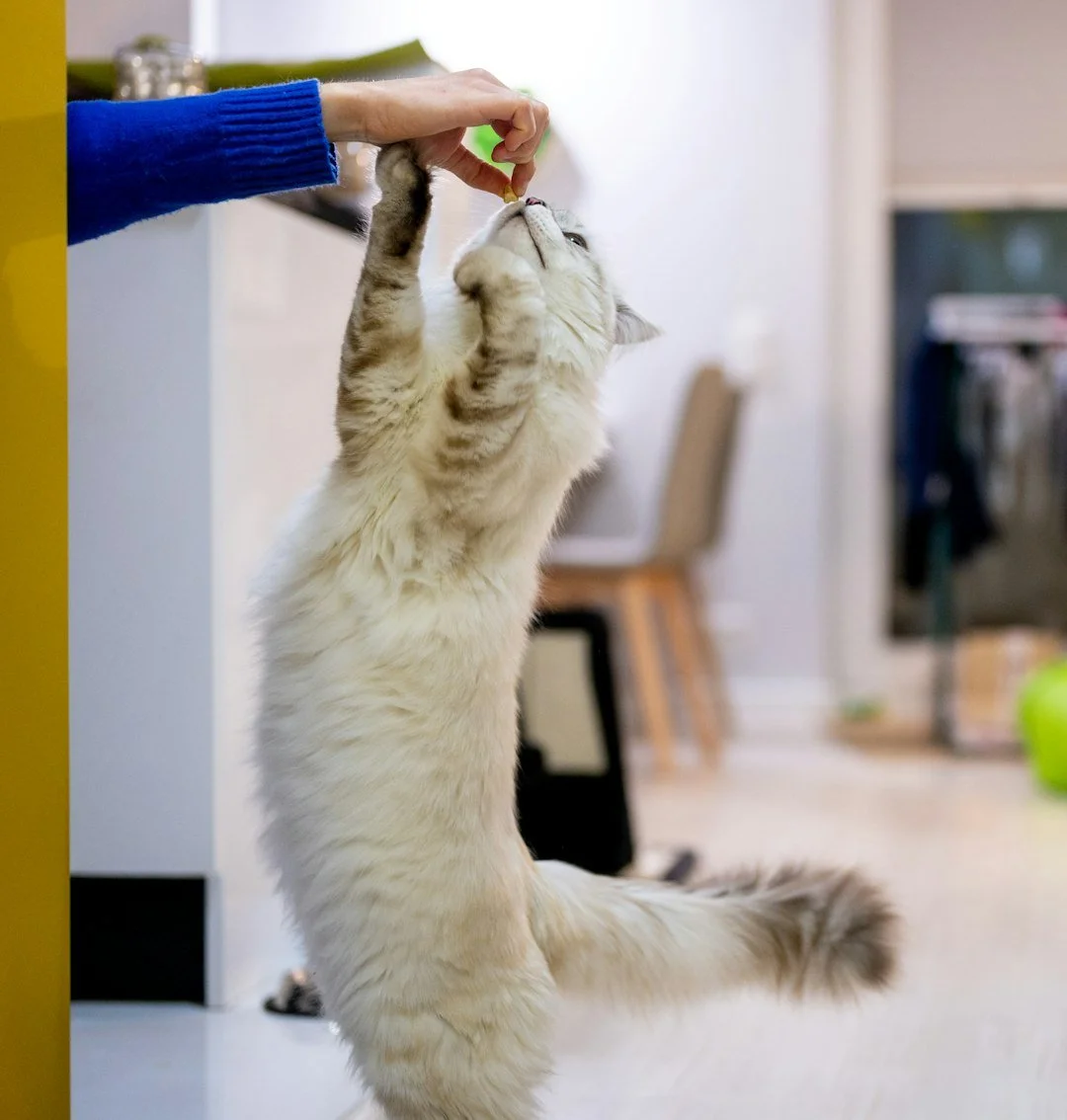
Beef liver and beef heart are both organ meats, and cat owners often lump them together. They do quite different jobs. One is a natural source of taurine. The other is so nutrient dense that the main thing to understand is how little of it your cat needs.
Here is what each one actually does, and how much is reasonable to feed.
Beef Heart and Taurine
Beef heart is a muscle meat, but it is especially valuable for cats because it naturally contains taurine.
Taurine is an amino acid, and cats are unusual in that they cannot make enough of it on their own. Unlike many other animals, a cat has to get taurine from what it eats. That is why taurine is considered an essential nutrient for cats rather than a nice extra.
What taurine supports
- Normal heart function
- Healthy vision and normal retinal function
- Normal nervous system function
- Reproduction and healthy development
- Normal immune function
- Bile acid function and digestion
Because cats cannot produce enough themselves, the amount in their diet matters. Diets that fall short over a long period are associated with problems affecting the heart and the eyes, which is why commercial cat foods are formulated with taurine levels in mind.
Where taurine should come from: your cat's complete and balanced food is the source that matters. A properly formulated cat food is built to cover taurine, and treats are not designed to do that job.
Beef heart is a good treat that happens to be naturally rich in it. It is not a substitute for complete food, and it is not a supplement.
Beef heart as a treat or a topper
With that said, freeze dried beef heart makes an excellent single ingredient treat for cats. It is rich, it smells like real meat, and it breaks apart easily.
Some cat owners crumble it over food as a topper, particularly with a cat who needs convincing to eat. The smell does most of the work.
Our freeze dried chicken hearts work the same way and come in a smaller piece, which some cats prefer.
Beef Liver: Nutrient Dense, and a Little Goes a Long Way
Heart brings the taurine. Liver brings the vitamins. They are not interchangeable, and liver comes with one important caveat.
Beef liver is a nutritional powerhouse. It provides highly concentrated amounts of nutrients that are harder to find in muscle meat.
Vitamin A
Important for vision, skin, immune function and normal growth.
B vitamins, including B12
Involved in metabolism and normal nervous system function.
Iron
Involved in oxygen transport through the body.
Copper
Important for blood formation and connective tissue.
High quality protein
The building material for muscle and tissue.
Why Cats Should Only Have a Small Amount of Liver
This is the part worth reading twice, because it is the thing most people do not know.
Liver is extremely nutrient dense, particularly in preformed vitamin A. Vitamin A is fat soluble, which means the body stores it rather than simply passing the excess in urine the way it does with water soluble vitamins.
If a cat eats large amounts of liver regularly over a prolonged period, that vitamin A can accumulate. At high enough levels over enough time, that accumulation can cause a condition called hypervitaminosis A.
To be clear, liver is not bad for cats. It is highly nutritious and there is a reason it has been fed to cats for as long as people have kept them.
The issue is quantity and frequency, not the ingredient.
Feed freeze dried beef liver as a small, occasional, nutrient rich treat. A piece or two, not something your cat works through by the handful every day.
The general guidance for treats of any kind is to keep them to around ten percent of daily calories, with the rest coming from complete and balanced food. With liver, erring on the smaller side is sensible. If your cat has a medical condition or you are unsure, your veterinarian can help you land on the right amount.
Liver and heart for cats, at a glance:
- Beef heart: naturally contains taurine, which cats cannot make enough of themselves
- Beef heart: works as a treat or crumbled over food as a topper
- Beef liver: vitamin A, B vitamins including B12, iron, copper, and protein
- Beef liver: feed small and occasional, because vitamin A accumulates
- Both: complete and balanced food does the heavy lifting. Treats are treats.
Common Questions
Can cats have liver treats?
Yes. Liver is highly nutritious for cats and most of them love it. The one thing to watch is quantity, because liver is very high in preformed vitamin A and the body stores rather than excretes it. Small and occasional is the right approach.
Can cats eat beef liver every day?
It is better not to. Daily liver in any meaningful quantity is how vitamin A accumulates over time. A small piece a few times a week as part of a varied treat rotation is a more sensible pattern than a handful every day.
What foods are high in taurine for cats?
Animal tissue is the source, and heart is one of the richest. Muscle meat and fish contain taurine as well, but heart carries more of it than most. Any complete and balanced commercial cat food is formulated to cover taurine, so treats are a supplement to that, not a replacement for it.
Is beef heart good for cats?
Yes. It is a muscle meat, so it is protein rich, and it is naturally high in taurine. It is also one of the easier organ meats to feed, because it does not carry liver's vitamin A concern.
Do cats need taurine supplements?
A cat eating a complete and balanced commercial food is generally getting what it needs, since those foods are formulated for it. Supplementation is a conversation for your veterinarian, not something to decide based on a treat bag.
What is the difference between beef liver and beef heart for cats?
Liver is an organ and it is dense in vitamins and minerals, especially vitamin A, which is why it should be fed in small amounts. Heart is a muscle, so it leans toward protein, and it carries taurine naturally. Most people rotate both rather than picking one.
Real ingredients. Simple treats. More moments to just paws and enjoy life.